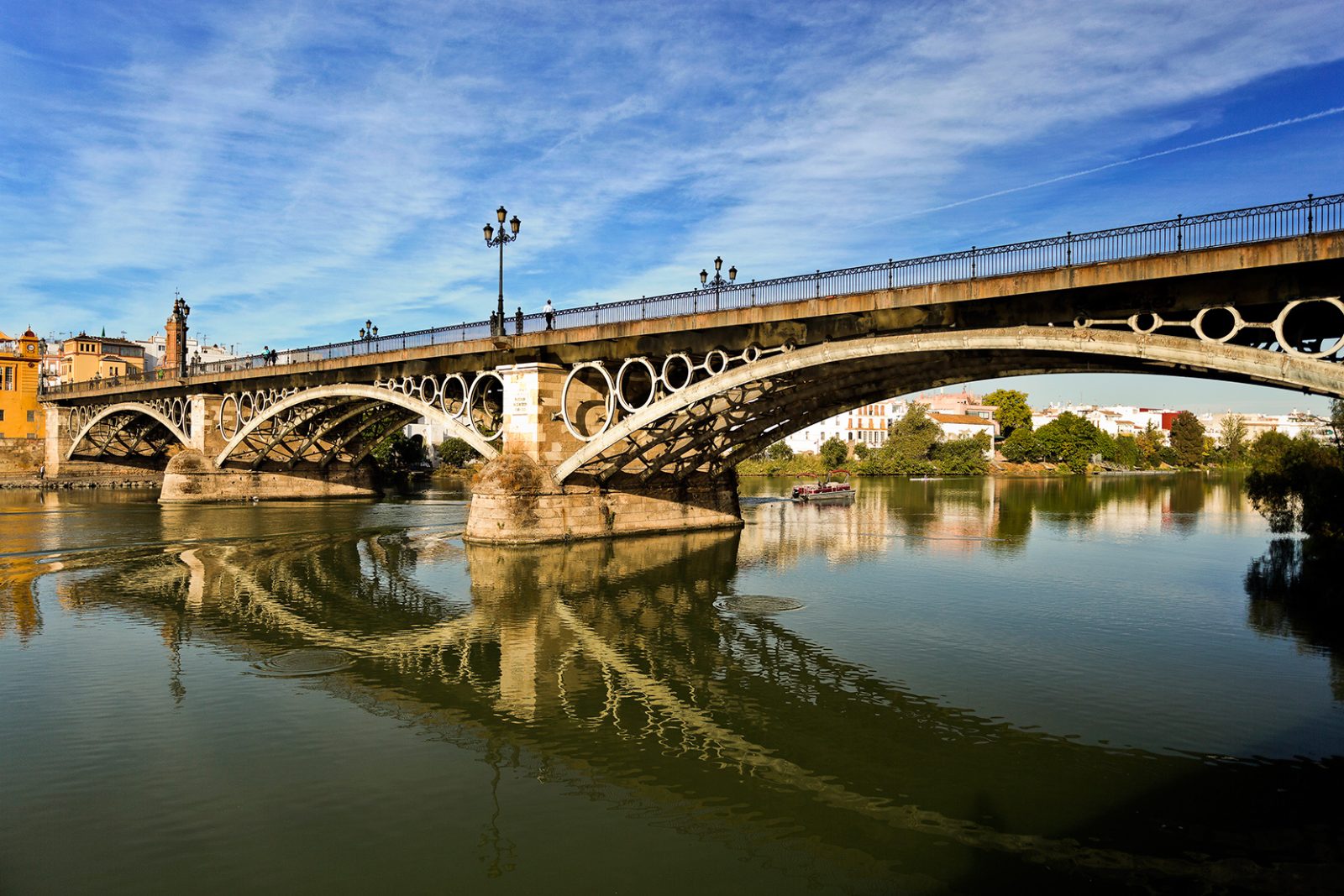
Puente de Triana
Early morning
Capture the iron structure against the river reflection from the Paseo de la O.

Few European cities are shaped so completely by a single waterway, and the Guadalquivir still sets the rhythm of the streets above it. This Seville when to visit guide explains how heat, daylight and open access govern a day among the city's riverside landmarks, from the Torre del Oro to the Triana waterfront. The direct answer comes first, with the one window that matters most.
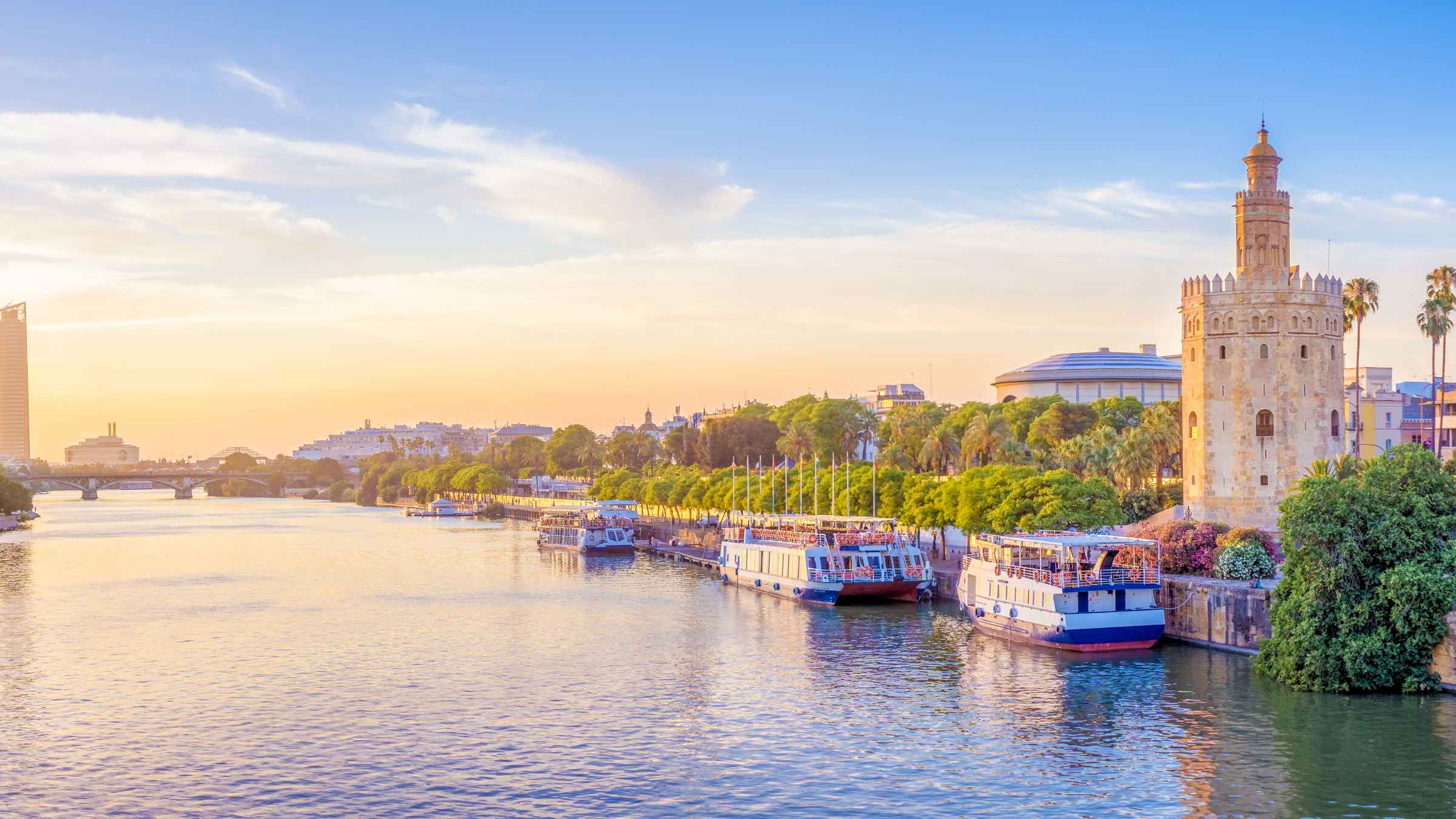
Quick answer
The best time is the 08:00–11:00 arrival window, which avoids mid-day heat and gives softer light along the riverbanks. The Guadalquivir is a public waterway with no entrance fee for general access, open 00:00–23:59 every day, so the river itself never turns anyone away. Heat, not hours, is the real constraint here.
The Guadalquivir is the only major navigable river in Spain, and ocean-going ships once sailed some 80 kilometres inland to tie up beneath Seville's walls. Ferdinand Magellan's fleet left from this water in 1519. That history explains why travellers researching seville when to visit end up studying a river rather than a monument. The Guadalquivir has no gate, no ticket desk and no closing bell. Commercial barges still work the channel today, bound for the port at the city's southern edge. The stretch that runs past Triana is not even a river in the strict sense. It is the Dársena, a cut-off channel sealed at both ends, which is why its surface sits glassy on mornings when the open estuary downstream runs choppy. Seville is routinely the hottest major city in continental Europe, and the water magnifies the contrast. By early afternoon the quays at the Muelle de las Delicias radiate heat; before the sun clears the rooftops, the same stone is cool and the air off the Dársena moves. Shade along the promenade is patchy, and it arrives late. Access complicates none of this. The waterway is public, which turns the usual visitor calculation inside out: the question is not whether a gate has opened but whether the hour is bearable and the light is worth the walk. Fixed landmarks anchor the decision. The Torre del Oro, raised as a watchtower in the 13th century, and the Puente de Isabel II, the iron bridge to Triana completed in 1852, frame the busiest section of bank. Travellers weighing cuándo visitar Sevilla do better to treat the river as the constant and their own schedule as the variable. The dedicated sections further down carry the weekly timetable, the fee position and the month-by-month detail; the narrative here only sets the frame. A Guadalquivir river cruise, a rowing shell training out of the Club Náutico, a slow walk from the San Telmo Bridge toward the Isla de la Cartuja — all three reward the same discipline. Go early, carry water, and let the afternoon belong to shade and a shuttered patio. Anyone still deciding seville when to visit will find departure schedules and live availability on the site's booking pages, where published times replace guesswork.
“The river has no gate and no closing bell, which makes comfort, not access, the only real question.”
The best arrival window is 08:00–11:00 to avoid mid-day heat and enjoy softer light for photography along the riverbanks. Planning your visit around these hours ensures comfortable conditions for navigating the Guadalquivir River.
Mild 18°C–25°C. Pleasant for river exploration during the Feria de Abril.
Hot, exceeding 35°C. Early morning is essential to avoid heat.
Warm 20°C–28°C. Stable weather makes this an ideal time for river travel.
—. Daily arrivals between 08:00–11:00 provide the most consistent experience for visitors.
Verdict: For the most comfortable experience, visit on weekday mornings between 08:00–11:00 during April or October.
The Guadalquivir River banks are accessible to the public at all hours throughout the week.
The Guadalquivir River flows through the heart of Seville, with primary access points located near the Torre del Oro and the Triana Bridge. Visitors can reach these riverbanks easily via the city's integrated public transport network or by walking from the historic center.
Line EA to Paseo de Cristóbal Colón
Line 1 to Plaza de Cuba
From Seville Cathedral to Torre del Oro
City center to Paseo de las Delicias
For the best experience, plan your arrival between 08:00–11:00 to avoid mid-day heat and enjoy softer light for photography along the riverbanks.
Early morning
Capture the iron structure against the river reflection from the Paseo de la O.
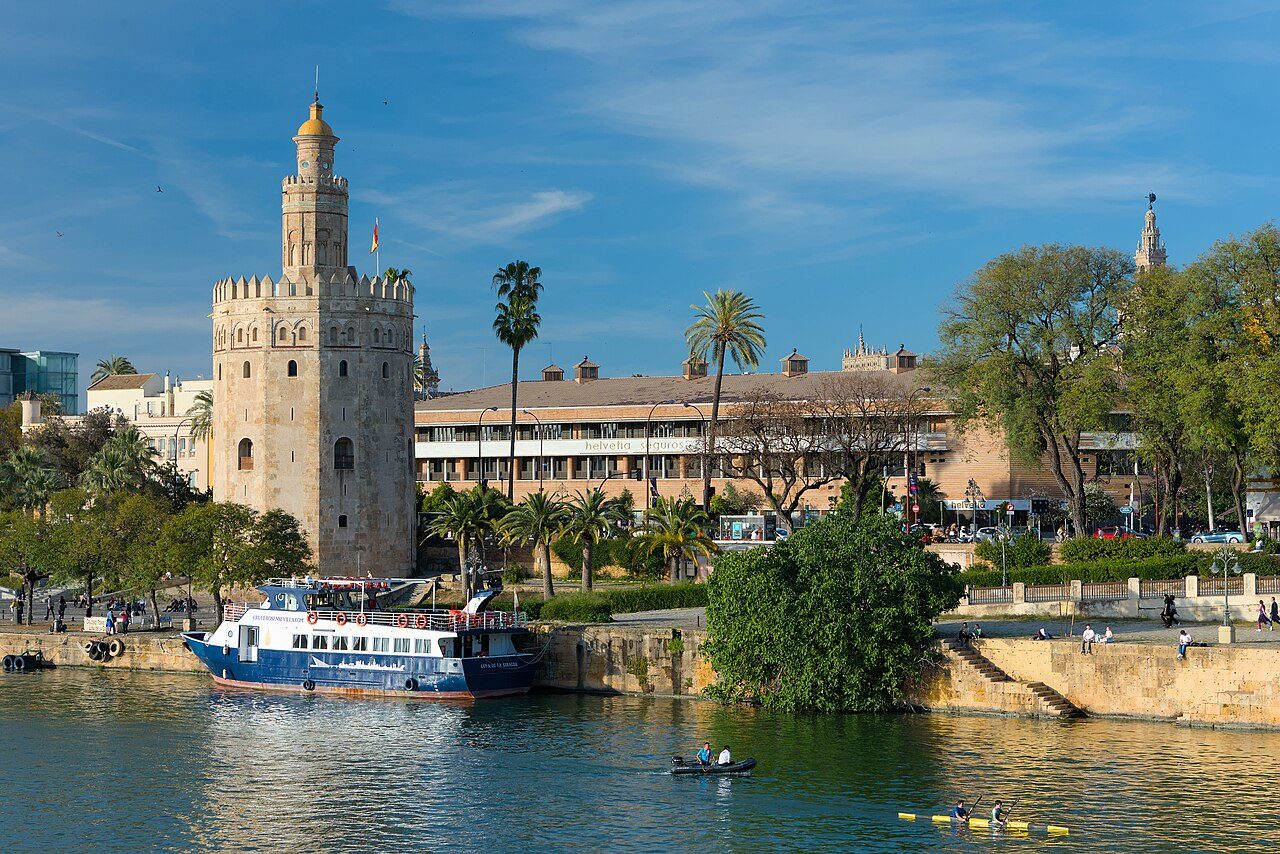
Morning light
Position your camera from the opposite riverbank to frame the tower against the skyline.
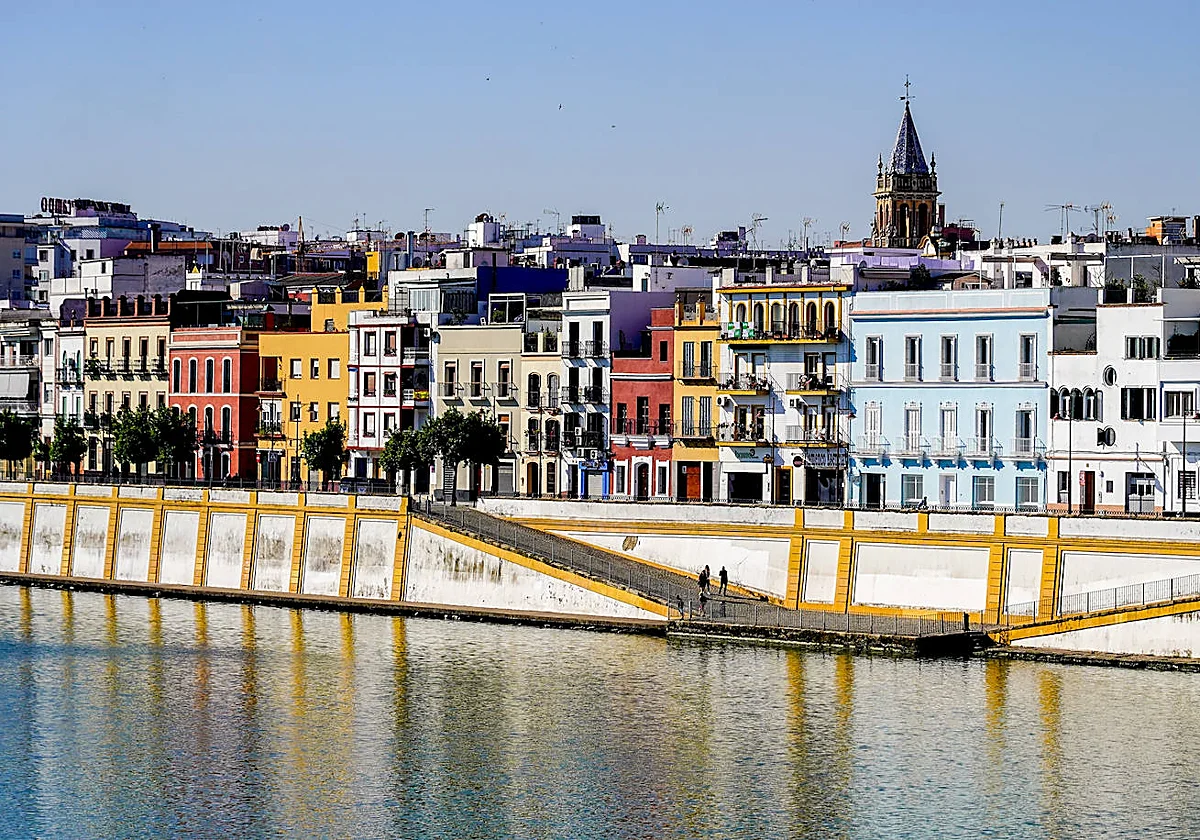
Early morning
Photograph the colorful facades lining the river from the east bank walkway.
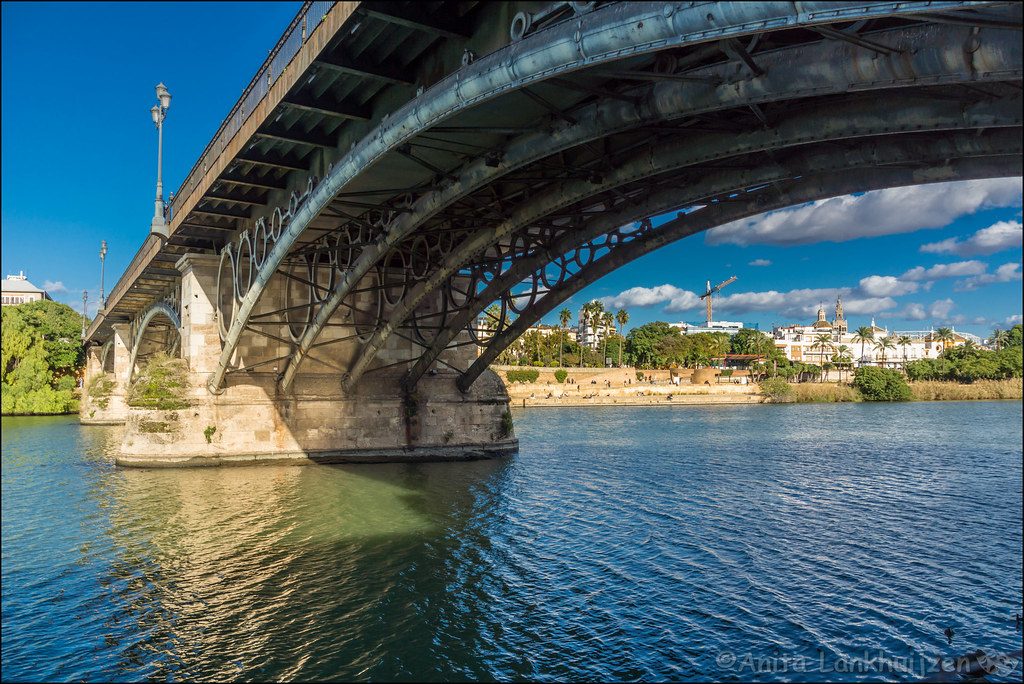
Soft morning light
Frame the bridge arches from the water level near the quay steps.
The Guadalquivir River serves as a central artery for exploring Seville, with several major landmarks positioned directly along its banks. Pairing a river excursion with these nearby sites allows for a cohesive experience of the city's historical riverfront architecture.
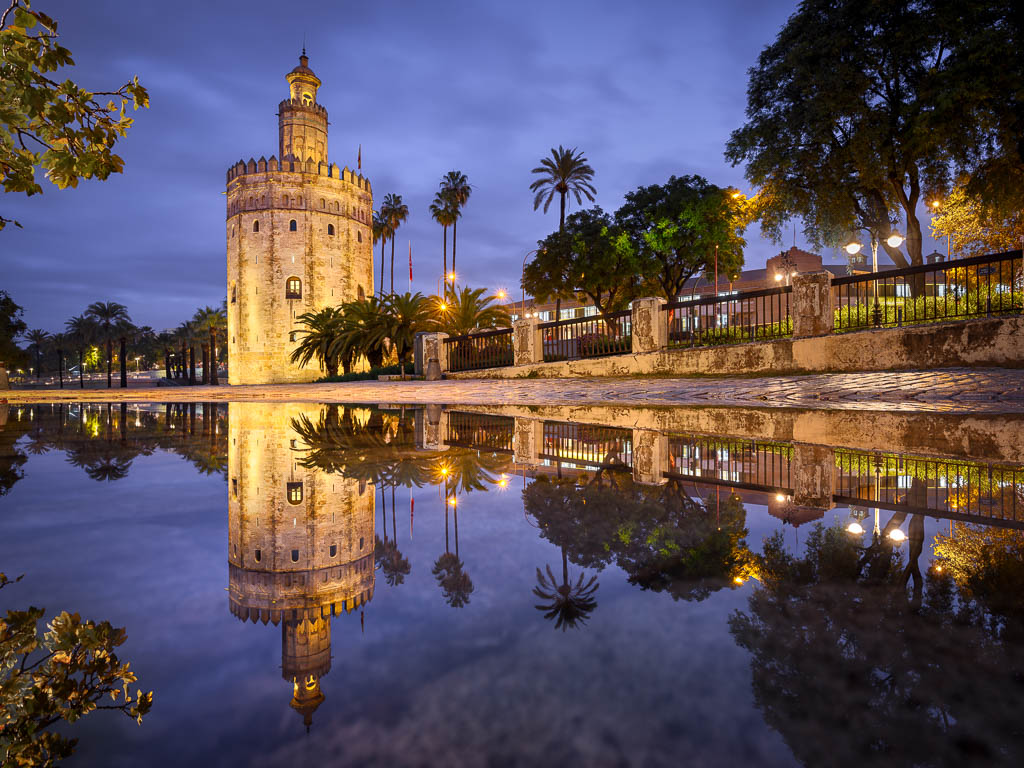
2 min walk
This 13th-century military watchtower sits directly on the riverbank and offers historical context to the maritime history of the Guadalquivir.
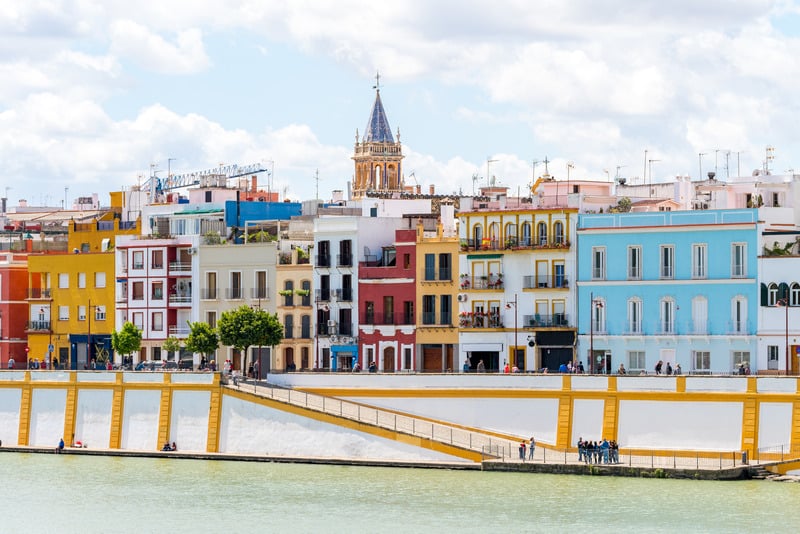
5 min walk
Crossing the river via the nearby bridge connects you to this traditional district known for ceramics and flamenco culture.
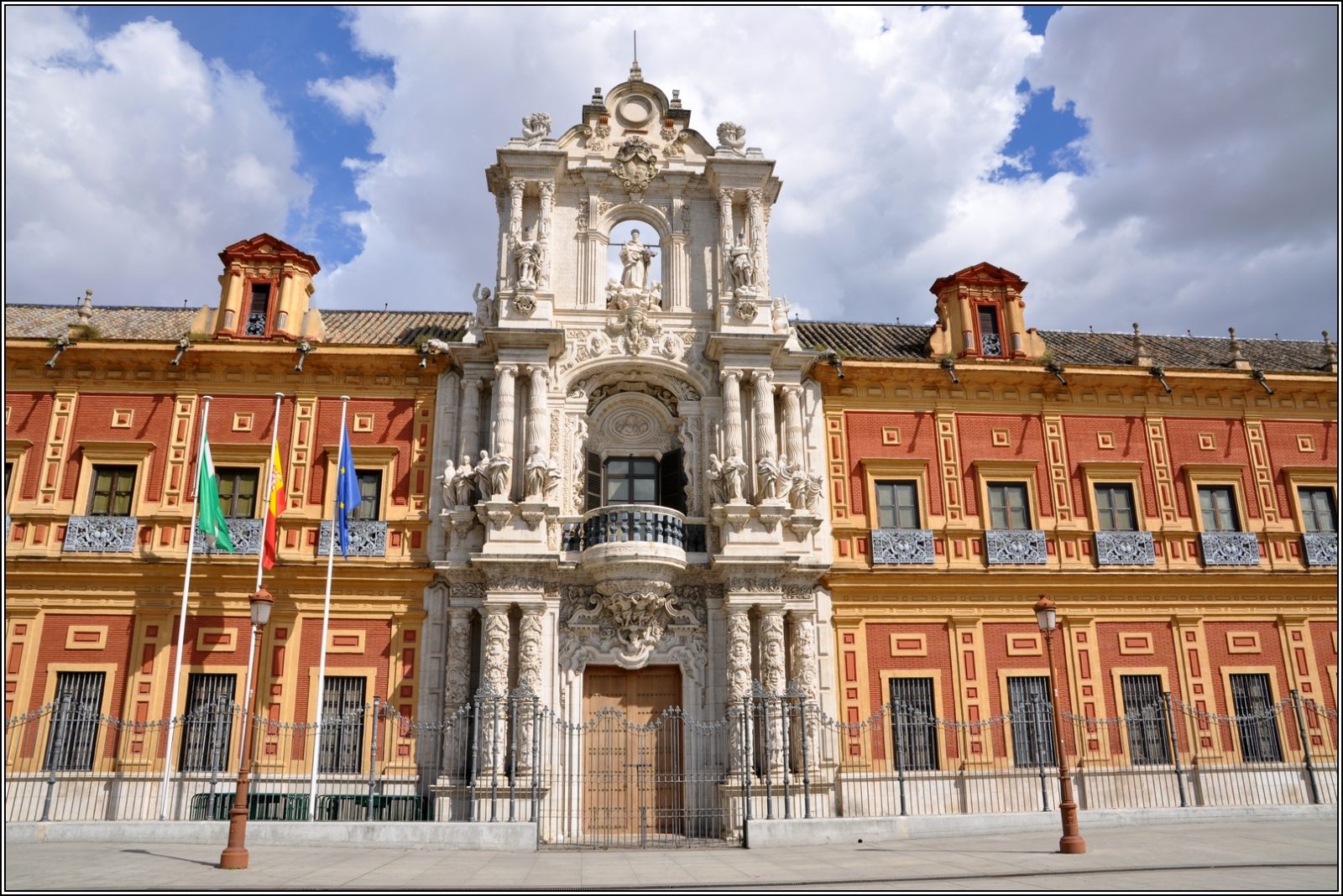
8 min walk
Located just a short distance from the river, this historic palace features a notable baroque facade that complements a riverside walk.
Everything you need to know about seville when to visit
The optimal window for those researching seville when to visit is between 08:00 and 11:00. Arriving during this period allows you to avoid mid-day heat while capturing the softest natural light on the water.
When considering seville when to visit, travelers often look to local boat tours to navigate the waterway. These experiences operate along the Guadalquivir River, allowing guests to see city landmarks from a unique perspective.
There is a 0 EUR entrance fee for general access to the Guadalquivir River. As a public waterway, the banks and paths remain accessible to all without a ticket.
When planning your seville when to visit itinerary, be aware that mid-day temperatures can be intense. We recommend prioritizing morning hours to ensure a more comfortable experience along the riverbanks.
While the river is a public space, ensure you follow local guidelines regarding maritime activity if you book a tour. Always verify the status of your specific activity, as boat trip operators maintain their own schedules independent of general access.
The riverfront remains open to the public from 00:00 to 23:59 every day of the week. This provides flexibility for your seville when to visit schedule, regardless of the day you choose to arrive.